
As spring approaches in the Denver metro and mountainous regions, homeowners often look to enhance their properties by cultivating vibrant gardens. A well-maintained garden not only elevates curb appeal but also enriches outdoor living spaces. Here are some tailored spring gardening tips to help you make the most of the upcoming season:
1. Understand Denver’s Unique Climate
Denver’s semi-arid climate and elevation present specific gardening challenges. The growing season typically spans from late March to late October, with the average last frost occurring in mid-May and the first frost around mid-October. This timeframe dictates optimal planting periods for various crops.
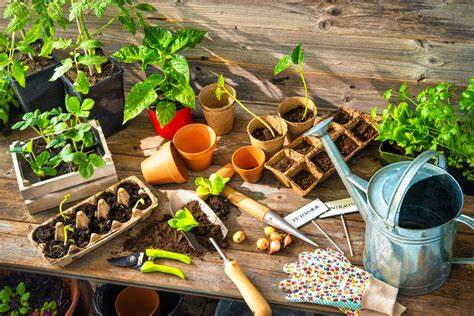
2. Early Spring Planting (April-May)
As April ushers in the planting season, it’s essential to focus on cool-season vegetables and flowers that can withstand potential temperature fluctuations:
-
Vegetables: Lettuce, spinach, kale, broccoli, and Brussels sprouts are ideal choices.
-
Flowers: Pansies, violas, zinnias, and celosia thrive during this period.
Incorporating perennials like hostas, daylilies, and columbine can also add enduring beauty to your garden.
3. Late Spring Planting (May-June)
Post-Mother’s Day, as the threat of frost diminishes, it’s time to introduce warm-season crops:
-
Vegetables: Summer squash, zucchini, beans, and corn flourish in warmer temperatures.
-
Flowers and Perennials: Marigolds, petunias, zinnias, roses, and hydrangeas add vibrant colors to your landscape.
Ensure that warm-season crops like tomatoes, peppers, and cucumbers are planted after the last frost to prevent transplant shock.
4. Soil Preparation
Healthy soil is the foundation of a thriving garden. In March and April, consider adding compost to enrich your soil, allowing nutrients to integrate before planting. Be cautious not to over-amend, especially if you’ve been adding organic matter annually.
5. Garden Infrastructure
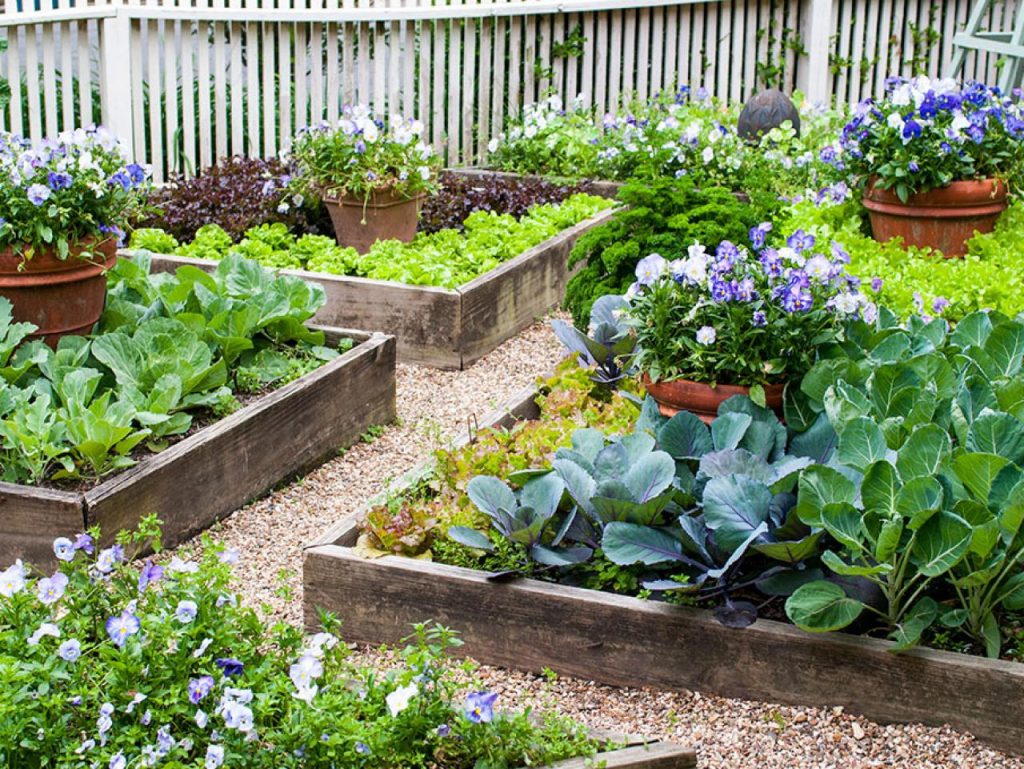
Early spring is an excellent time to design or build raised beds. Materials such as rocks, stones, concrete blocks, or rot-resistant woods like cedar are suitable choices. Position your beds to receive ample sunlight—most vegetables require at least eight hours daily—and ensure proximity to a water source for convenience.
6. Efficient Watering Practices
Given Denver’s semi-arid conditions, efficient watering is crucial. Implementing drip irrigation systems can conserve water and deliver it directly to plant roots, promoting healthier growth. Regularly monitor soil moisture to adjust watering schedules accordingly.
7. Xeriscaping for Water Conservation
Consider xeriscaping—a landscaping method that reduces or eliminates the need for supplemental water from irrigation. This approach emphasizes the use of drought-tolerant plants and efficient irrigation techniques, aligning with Denver’s climate.
8. Pest and Disease Management
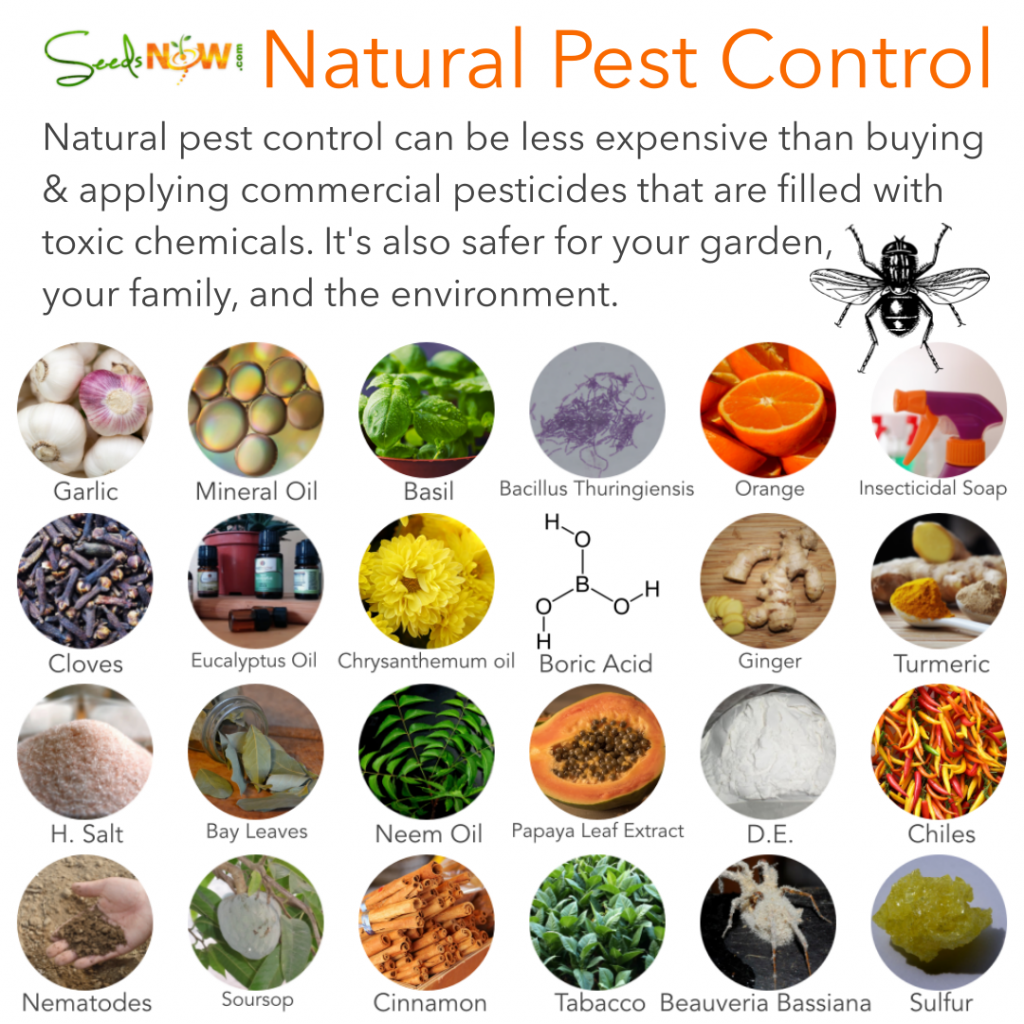
Spring’s warmer temperatures can invite pests and diseases. Employ preventive measures such as crop rotation, introducing beneficial insects, and using organic pesticides when necessary to maintain a healthy garden ecosystem.
By tailoring your gardening practices to Denver’s unique climate and conditions, you can create a flourishing garden that enhances your property’s appeal and provides personal enjoyment throughout the growing season.
For more personalized advice or assistance with your real estate needs in the Denver metro and mountainous regions, feel free to reach out to the KC Butler Home Team
